Cooking can be a great experience, but it often leaves us with a few not-so-pleasant tasks, particularly when it comes to disposing of leftover grease and oil. At Grouse Plumbing, we understand that improper disposal can lead to clogs and plumbing issues, so we’re here to help you navigate the best practices for dealing with cooking oil and grease.
Why You Shouldn’t Pour Grease Down the Drain
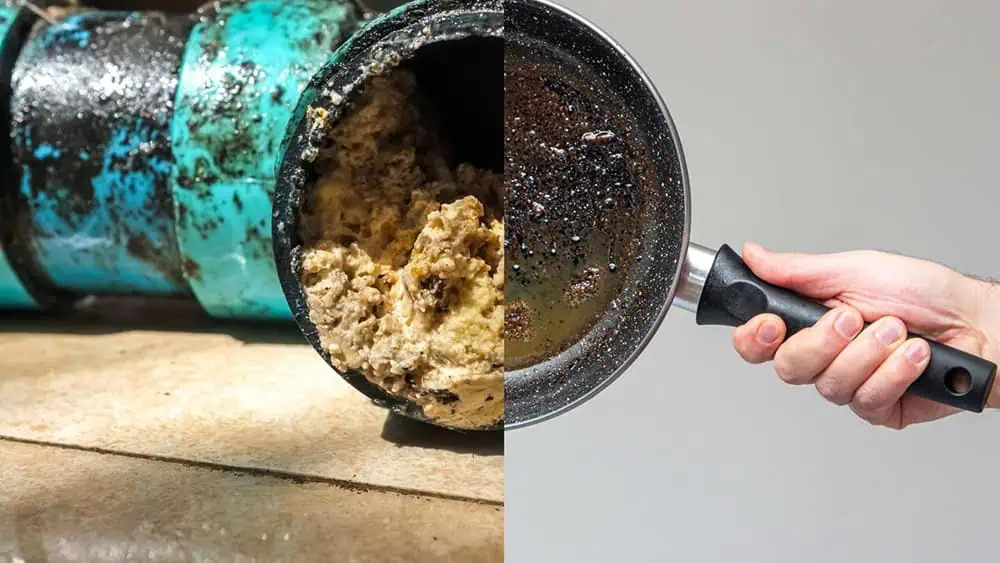
When grease cools, it solidifies and can stick to the insides of your pipes, eventually leading to serious blockages. To prevent plumbing disasters, it’s essential to have a plan for disposing of leftover grease and oil.


Safe Disposal Methods
1. Let it Cool
Allow the grease or oil to cool down completely before handling it. This not only makes it safer to store but also prevents burns.
2. Use a Container
Pour the cooled grease into a container, such as an empty jar or a plastic bottle. Make sure it’s something that can be sealed tightly.
3. Seal and Dispose
Once your container is filled, seal it tightly and throw it in the trash. This is the safest method of disposal and ensures that the grease doesn’t end up in your plumbing system.
4. Compost (if applicable)
If you’re using vegetable oils and fats, consider composting them in small amounts. However, be cautious with this method, as too much oil can upset the balance of your compost heap.
5. Check for Local Disposal Programs
Some areas offer recycling programs for cooking oil (especially for biodiesel production). Check with your local waste management facility to see if this is an option in your area.
6. Use Grease-Absorbing Materials
If you have a small amount of grease, you can absorb it using materials like paper towels or sawdust. Once it’s soaked up, dispose of the materials in your rubbish.
Tips for Prevention
1. Use Less Oil
Adjust your cooking methods to use less oil. Techniques like steaming, grilling, or baking can reduce the amount of grease produced.
2. Invest in Grease Traps
If you frequently cook large meals or run a food business, consider installing a grease trap. This device captures grease before it enters your plumbing system.
3. Regular Maintenance
Schedule regular plumbing maintenance with professionals like Grouse Plumbing to keep your pipes clear and functioning efficiently.
Cooking can be a great experience, but it often leaves us with a few not-so-pleasant tasks, particularly when it comes to disposing of leftover grease and oil. At Grouse Plumbing, we understand that improper disposal can lead to clogs and plumbing issues, so we’re here to help you navigate the best practices for dealing with cooking oil and grease.